
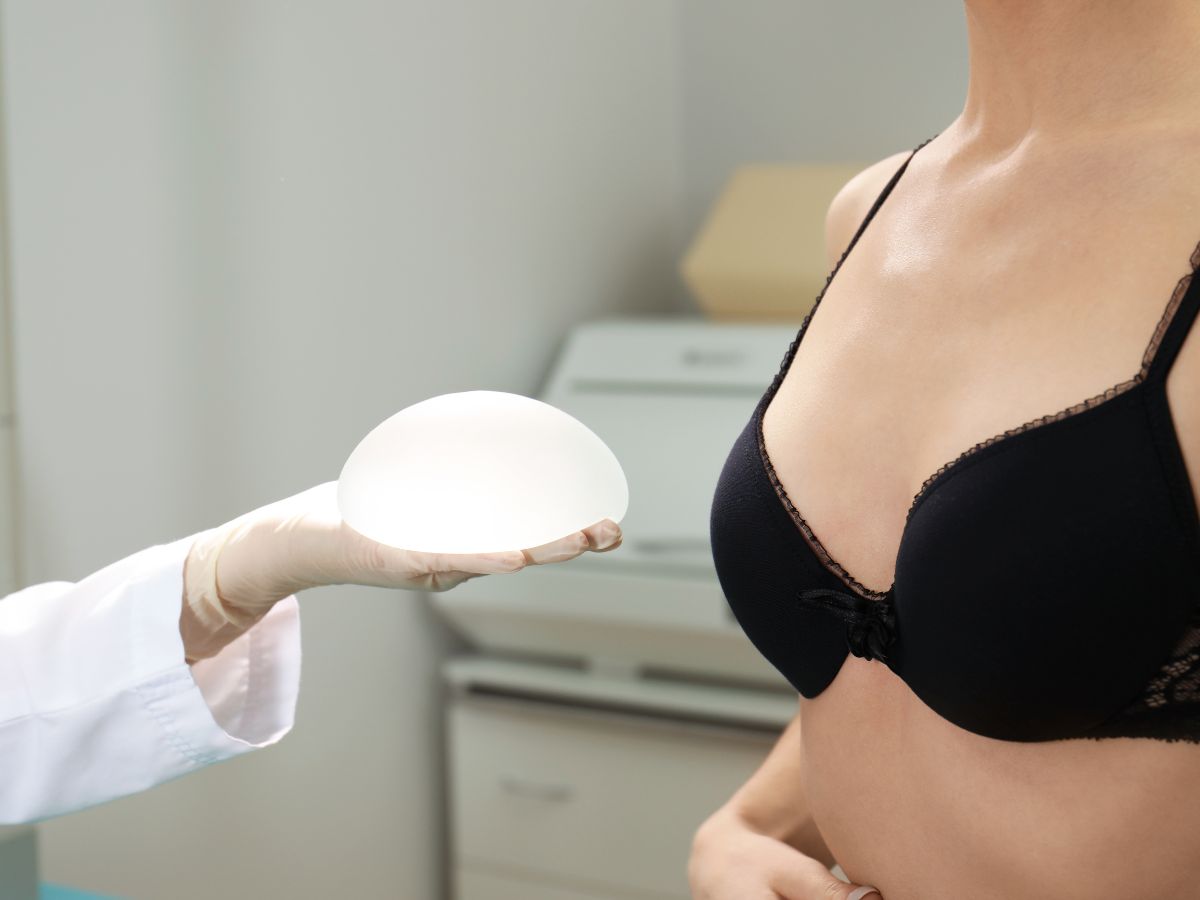
If you have breast implants — or you’re considering breast augmentation — you’ve probably come across the term “breast implant illness” (BII) online. Patient forums are full of stories about fatigue, joint pain, and brain fog that some women link to their implants. It’s an unsettling thing to read, especially if you’re happy with your results and now wondering if something is wrong.
So how common is breast implant illness, actually? Here’s what the data says, what it doesn’t say, and how to know when it’s time to talk to a breast surgeon.
¿Qué es la enfermedad de los implantes mamarios?
BII isn’t an official medical diagnosis. It’s a term patients and some physicians use to describe a cluster of symptoms that appear to develop after breast implant surgery, regardless of whether the implants are silicone or saline. The U.S. Food and Drug Administration (FDA) has acknowledged that some patients report these symptoms, even though the agency has not established a confirmed causal link between implants and the condition.
Commonly reported symptoms include:
- Fatiga
- Dolores articulares y musculares
- Brain fog or memory issues
- Caída del cabello
- Anxiety or depression
- Rashes or skin changes
- Trastornos del sueño
Symptoms can show up shortly after surgery or years down the road, which is part of what makes BII so difficult to study.
¿Cuáles son las causas de las enfermedades relacionadas con los implantes mamarios?
La enfermedad de los implantes mamarios es una afección cada vez más conocida, pero sigue siendo controvertida, ya que los médicos no la reconocen oficialmente como enfermedad. Esta falta de reconocimiento dificulta la determinación de sus causas. No hay pruebas que sugieran que ciertas condiciones médicas hagan a alguien más susceptible a la BII.
Sin embargo, existen varias teorías, como la respuesta inflamatoria del organismo a un objeto extraño o a determinados componentes de los implantes mamarios, como la silicona. Además, se especula con que las técnicas quirúrgicas y el enfoque de la inserción de los implantes mamarios pueden causar BII. A pesar de la incertidumbre, el impacto de la BII en la salud es innegable para quienes la padecen.
¿Son frecuentes las enfermedades relacionadas con los implantes mamarios?
This is the question everyone wants a clean number for — and the honest answer is that no one has one yet. BII isn’t a formally diagnosed condition, so there’s no standardized way to track how many people have it. That said, a few data points give us a reasonable picture:
- Peer-reviewed estimates suggest that somewhere between 1% and 10% of women with breast implants report symptoms consistent with BII, though researchers note more study is needed to pin this down.
- The FDA’s Medical Device Report (MDR) database has logged tens of thousands of reports describing systemic symptoms in women with breast implants since 2008 — but MDRs are self-reported and don’t confirm the implant caused the symptom.
- In the FDA’s most recent breakdown of these reports, the most frequently cited symptoms were fatigue, joint pain, anxiety, and brain fog, with average symptom onset occurring several years after implantation.
- Among patients who went on to have their implants removed and reported back on their outcome, the large majority described improvement in symptoms — though this group is a small, self-selected slice of all implant patients, so it can’t be read as a general cure rate.
The takeaway: BII is real enough that the FDA tracks it and surgeons take it seriously, but it’s not clearly “common” or “rare” in a scientific sense — the honest answer is that we don’t yet have reliable population-wide numbers. What we do know is that most women with breast implants never report these symptoms at all.
¿Cuáles son algunas opciones de tratamiento para las enfermedades relacionadas con los implantes mamarios?
Si tiene síntomas de enfermedad del implante mamario, explorar posibles tratamientos para aliviar su condición es esencial. Consultar a nuestro equipo médico es vital para obtener un diagnóstico preciso y una orientación personalizada. La elección de los enfoques de tratamiento puede variar significativamente, teniendo en cuenta los síntomas individuales y los factores generales de salud. Estos enfoques pueden incluir ajustes dietéticos, suplementos, regímenes de desintoxicación y medicamentos recetados.
Extracción de implantes mamarios
El principal método de tratamiento de la IIB es la extracción de los implantes mamarios, un procedimiento quirúrgico conocido como explantación. Este procedimiento consiste en la extracción completa de los implantes mamarios junto con el tejido cicatricial circundante. La explantación trata los síntomas relacionados con la BII, como la fatiga, el dolor articular y los problemas cognitivos. Además, su objetivo es reducir la inflamación y, en última instancia, mejorar la salud y el bienestar generales. Los pacientes que se someten a este procedimiento se colocan bajo anestesia general para su comodidad y seguridad.
En el postoperatorio, es habitual sellar las incisiones cerradas con puntos, adhesivos quirúrgicos o cinta médica. Se aplica un apósito sobre la zona quirúrgica para favorecer la cicatrización y evitar infecciones. En algunos casos, pueden insertarse drenajes para eliminar el exceso de líquidos corporales. Aunque es habitual experimentar molestias e hinchazón tras la intervención, los medicamentos prescritos pueden ayudar a controlar estos síntomas. El cumplimiento de las instrucciones de cuidados postoperatorios es esencial para una recuperación sin problemas, e incluye pautas para las actividades físicas, el cuidado de las heridas y la administración correcta de los medicamentos.
Como parte de nuestro compromiso con su bienestar, le ofrecemos citas de seguimiento para controlar su evolución y garantizar una cicatrización adecuada. Dependiendo de sus circunstancias particulares, pueden recomendarse procedimientos adicionales, como elevaciones mamarias o transferencias de grasa, para lograr una reconstrucción mamaria completa minimizando el impacto estético. Su plan de tratamiento individualizado se adaptará a sus necesidades específicas y a sus objetivos de salud.
Does It Matter If You Have Silicone or Saline Implants?
Patients often ask whether one implant type is safer than the other when it comes to BII risk. We cover this in detail in our breakdown of silicone vs. saline implants and BII risk — but the short version is that reported symptoms have occurred with both implant types, and current research hasn’t confirmed that one material carries a significantly higher risk than the other.
Who Tends to Report BII Symptoms?
There isn’t a confirmed risk profile, but patterns some researchers have observed include:
- Symptom onset ranging from months to decades after surgery
- Reports across both textured and smooth implant surfaces
- Overlap with symptoms of other conditions, like autoimmune disorders, thyroid issues, fibromyalgia, and even normal hormonal changes — which is part of why BII can be hard to pin down as the cause
This overlap is exactly why it’s worth having any new, persistent symptoms evaluated properly rather than assuming they’re implant-related (or assuming they’re not).
What to Do If You Think You Have Breast Implant Implant Illness
If you have implants and you’re dealing with unexplained, persistent symptoms, the right first step is a real evaluation — not a guess based on a forum post. At Soler Cosmetic Plastic Surgery, that starts with a full history and physical exam to rule out other causes before any conversation about your implants.
For patients who do move forward with removal, options include standard implant removal or en bloc capsulectomy, where the implant and surrounding scar tissue are removed together. You can read more about what to expect during and after implant removal, and about why the healing process doesn’t end the day your implants come out.
Why See a Board-Certified Breast Surgeon Before Making a Decision
BII is a nuanced topic, and not every provider approaches it the same way. Searching “breast implant near me” will turn up a long list of results — what matters is finding a surgeon who will actually listen to your symptoms, rule out other causes, and walk you through every option rather than pushing you straight to surgery.
Dr. Soler and the team at our Tampa practice have handled hundreds of breast augmentation, revision, and explant cases, and we take patient-reported symptoms seriously even in the absence of a formal diagnosis. If you’re local to the Tampa Bay area and searching for plastic surgery in Tampa with a surgeon who won’t dismiss your concerns, see what our patients say about their experience with us.
If you believe that breast implant illness may be affecting you, we encourage you to contact us at 727-606-2285 or fill out our online form to schedule a consultation and explore your options for treatment.