

Exploring the personal decision Why I refuse to get a tummy tuck?
Deciding whether to undergo a cosmetic procedure such as a tummy tuck is a deeply personal choice. While many people find it beneficial, others have compelling reasons to opt against it. In this article, I will explore those reasons and offer a comprehensive view on why someone might refuse to get a tummy tuck, even when the option is available.
Understanding what a tummy tuck involves
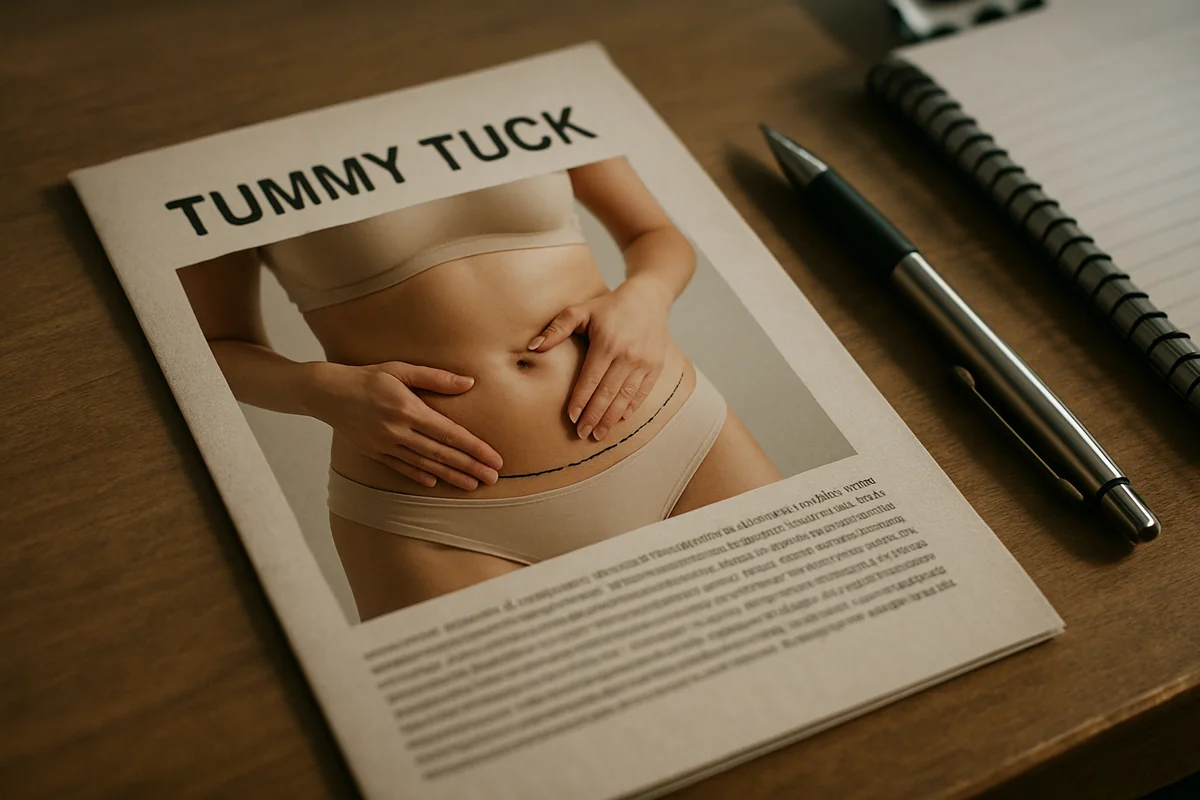
A tummy tuck, or abdominoplasty, is a surgical procedure designed to remove excess skin and fat from the abdominal area and restore weakened or separated muscles, creating a smoother and firmer profile. Although it is often associated with cosmetic enhancement, it can also offer functional benefits by improving core stability and posture. Nevertheless, this procedure is invasive and requires significant recovery time. Recovery can take several weeks, during which patients must limit physical activity to ensure proper healing and avoid complications.
It’s crucial to understand that a tummy tuck is not just about aesthetics; it impacts the physical well-being of the patient. For instance, by tightening the abdominal muscles, some patients experience a reduction in back pain, which is a significant quality-of-life improvement. However, the surgery does involve risks such as infection, bleeding, or adverse reactions to anesthesia, which are important considerations for anyone contemplating this procedure. Additionally, scarring is a common outcome, and while surgeons strive to minimize visible scars, some patients may find this aspect concerning.
The common misconceptions about tummy tucks
Many people mistakenly believe that tummy tucks are a quick fix for weight loss. However, they are not a substitute for a healthy lifestyle. The American Society of Plastic Surgeons emphasizes that tummy tucks are designed for body contouring, not as a weight loss solution. For those interested in weight loss, liposuction might be a more suitable option.
Another misconception is that the results of a tummy tuck are permanent regardless of lifestyle choices. While the procedure can dramatically change the abdominal profile, maintaining those results requires a commitment to a balanced diet and regular exercise. Weight gain after surgery can compromise the results, which is why patients are advised to be at a stable weight before undergoing the procedure. Moreover, the misconception that recovery is swift can lead to disappointment; understanding the full recovery timeline is essential for proper planning.
Reasons for refusing a tummy tuck
There are several valid reasons why someone might decide against a tummy tuck. Here are some of the most compelling:
1. Planning to have more children
If you’re not done having children, a tummy tuck might not be the best choice. Future pregnancies can stretch the skin and abdominal muscles, potentially undoing the results of the surgery. For women who anticipate more children, it might be better to wait until they’ve completed their families before considering a tummy tuck.
Additionally, the emotional and physical demands of pregnancy and childbirth might shift priorities away from cosmetic procedures. The focus might be on nurturing and caring for the family rather than undergoing elective surgery. It’s also important to consider the recovery time post-surgery, which can be challenging to manage alongside the responsibilities of motherhood. Some women find that their body image and priorities change after having children, influencing their decision on cosmetic procedures.
2. Significant weight loss goals
Individuals who are on a weight loss journey may choose to postpone a tummy tuck until they have reached a stable weight. This approach ensures that the results of the surgery align with their final body shape, minimizing the risk of needing additional surgery in the future.
Weight fluctuations can affect the skin’s elasticity and overall appearance, which is why achieving a stable weight is recommended before surgery. For those actively losing weight, focusing on non-surgical methods such as improved nutrition and physical activity might be more beneficial until they reach their desired weight goal. Furthermore, reaching a stable weight can help in maintaining the results post-surgery, as weight gain can alter the surgical outcomes.
3. Health considerations and lifestyle factors
Underlying health conditions can complicate surgery and recovery. Conditions such as diabetes, heart disease, or autoimmune disorders may make a tummy tuck riskier. Additionally, smokers who are unwilling to quit may face complications, as smoking can impede healing.
Patients with chronic health issues should have a thorough consultation with their healthcare provider and a plastic surgeon to assess their suitability for surgery. The surgeon may require certain health benchmarks to be met before proceeding, ensuring the safety and effectiveness of the procedure. It’s also important for patients to consider their lifestyle and whether they can commit to the necessary post-operative care and lifestyle changes required to maintain the results.
4. Unrealistic expectations
Having realistic expectations is crucial for a satisfactory outcome. A tummy tuck can improve contour and appearance, but it cannot transform your body entirely. Individuals looking for drastic changes may need to reassess their goals or consider other procedures.
It’s important for patients to have a clear understanding of what a tummy tuck can and cannot achieve. Consulting with a board-certified plastic surgeon can provide insights into realistic outcomes and help manage expectations effectively. Surgeons can use digital imaging to give patients a preview of potential results, aiding in the decision-making process. This technology can be instrumental in setting realistic goals and avoiding post-surgery disappointment.
The weight requirement for a tummy tuck
While there is no strict weight requirement for a tummy tuck, surgeons often recommend that candidates be within 10-15% of their ideal weight. This guideline helps ensure the best possible results and reduces the risks associated with surgery.
Being close to your ideal weight not only optimizes the aesthetic results but also minimizes surgical risks. Excess weight can increase the likelihood of complications during and after surgery, such as infections or delayed healing. Patients are encouraged to discuss their weight and health goals with their surgeon to determine the best timing for the procedure. Additionally, maintaining a healthy weight post-surgery is vital for preserving the results and enhancing overall well-being.
Alternatives to a tummy tuck
If you’re not yet a candidate for a tummy tuck or choose not to pursue it, there are other options to consider. Non-surgical body contouring techniques, such as CoolSculpting, can help reduce fat deposits without the need for surgery. Additionally, a combination of diet and exercise remains a cornerstone for achieving a toned abdomen.
Emerging technologies in non-invasive body contouring offer promising results with minimal downtime. Techniques like radiofrequency and ultrasound-based treatments are gaining popularity due to their effectiveness in targeting stubborn fat areas. It’s important to research and consult with professionals to understand the suitability and expected outcomes of these alternatives. These non-invasive options can be particularly appealing for individuals seeking gradual improvements without the commitment of surgery.
Myths about tummy tucks debunked
Several myths surround tummy tucks, which can influence decision-making:
- Myth: Tummy tucks are a weight loss procedure.
- Myth: You can achieve tummy tuck results with diet and exercise alone.
- Myth: Tummy tucks are only for women.
- Myth: You’re too old to get a tummy tuck.
Understanding these misconceptions can help individuals make informed decisions about their health and cosmetic goals.
For example, the myth that only women undergo tummy tucks is outdated. More men are opting for this procedure to achieve a firmer abdominal appearance, particularly after significant weight loss. Similarly, age should not be a deterrent; rather, overall health and skin elasticity are more relevant factors in determining candidacy. It’s crucial to rely on factual information and professional guidance when considering cosmetic surgery.
Next steps if you’re considering or refusing a tummy tuck
Whether contemplating a tummy tuck or reconsidering other options, it’s crucial to consult with a board-certified plastic surgeon. A skilled professional can provide personalized advice tailored to your health, lifestyle, and aesthetic goals.
At Pedro M. Soler’s practice, we offer comprehensive consultations to explore all your options, ensuring that you make the best decision for your unique needs. Our approach focuses on patient education, empowering you with the knowledge needed to make informed choices about your body and health.
Engage with a supportive community
Joining forums or groups that discuss body contouring experiences can provide valuable insights and support as you navigate your decision-making process.
Online communities can be a source of encouragement and real-life testimonials from people who have gone through similar experiences. They offer a platform to ask questions, share concerns, and receive advice from those who have chosen either to undergo surgery or explore alternative methods. Engaging with these communities can also provide emotional support and help you feel less isolated in your decision-making journey.
Final reflections on personal choices
Ultimately, the decision to undergo a tummy tuck or any cosmetic procedure is highly individual. It’s essential to weigh the benefits, consider potential risks, and reflect on personal goals. For those not ready for surgery, embracing non-surgical alternatives or engaging in lifestyle changes can also yield positive results. Remember, the journey to body confidence is about what feels right for you.
For personalized guidance on body contouring and other procedures, visit our practice’s main site at Pedro M. Soler, MD. Our expert team is here to support you every step of the way. With our patient-centered approach, we aim to provide the highest standard of care, ensuring that your choices align with your personal vision and health aspirations.
Additional Resources
For further reading, consider exploring these related topics:
- Abdominoplastia: Luzca un cuerpo esbelto y tonificado con una abdominoplastia
- ¿Soy un buen candidato para la cirugía de lifting de muslos?
- ¿Es usted un candidato para una abdominoplastia en Tampa?
- Best Plastic Surgeon in Tampa
Comparative Analysis of Tummy Tuck Alternatives
| Procedimiento | Invasiveness | Recovery Time | Expected Results |
|---|---|---|---|
| Abdominoplastia | Invasive | Several weeks | Significant improvement in contour |
| CoolSculpting | Non-invasive | Minimal downtime | Moderate fat reduction |
| Radiofrequency Treatments | Non-invasive | Minimal to no downtime | Gradual fat reduction |
For more detailed information on the recovery process and expectations, consult reliable sources such as the American Society of Plastic Surgeons.