
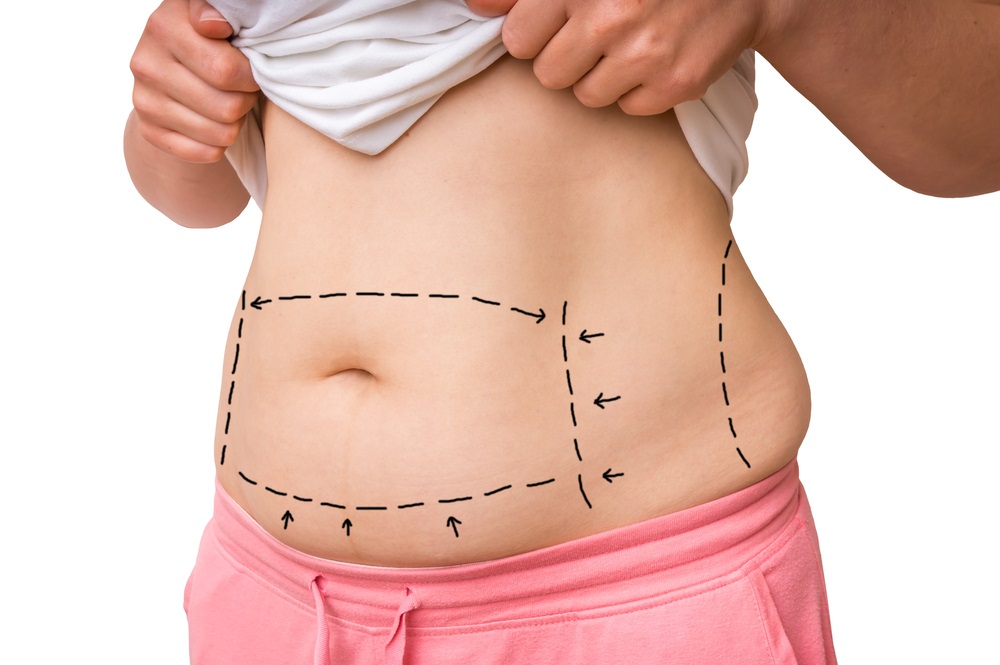
Short answer: yes — for what it’s actually designed to do. The confusion usually comes from people expecting a tummy tuck to do things it was never meant to do, like replace weight loss. Once you understand what abdominoplasty actually targets, “does it work” becomes a much easier question to answer.
Here’s a straight breakdown of what a tummy tuck does, what it doesn’t, and how to know if it’s the right procedure for you.
What Does a Tummy Tuck Do?
A tummy tuck (abdominoplasty) is a surgical procedure that:
- Removes excess, loose skin from the abdomen — the kind left behind after pregnancy or significant weight loss that diet and exercise can’t tighten back up
- Removes some excess fat, particularly in the lower abdomen, though it’s not primarily a fat-removal procedure (more on that below)
- Tightens separated or weakened abdominal muscles (a condition called diastasis recti, common after pregnancy), restoring a firmer core
- Tightens the connective tissue (fascia) underneath the skin for a smoother, flatter contour
The result most patients are after — a flatter, tighter midsection — comes from this combination of skin removal and muscle repair, not from fat removal alone. That’s the part liposuction handles better, which is why the two are often compared or combined.
Does a Tummy Tuck Remove Fat?
Yes, to a degree — but it’s not the main event. A tummy tuck removes some fat as part of removing excess skin, but it isn’t designed to eliminate significant fat volume the way liposuction is. If stubborn fat is your primary concern rather than loose skin or muscle separation, liposuction alone (or combined with a tummy tuck) may be the better fit. We break down exactly how to decide between the two in tummy tuck vs. liposuction: which one is right for you.
Why Get a Tummy Tuck?
Beyond the visible results, a tummy tuck offers a few benefits patients don’t always expect going in:
- Improved posture — tightened abdominal muscles provide more support for your spine
- Reduced lower back pain — a byproduct of that same muscle repair
- Better bladder control for some patients — loose lower-abdominal skin and tissue can put pressure on the bladder, and tightening it has been reported to improve mild urinary symptoms in some cases
- Hernia correction — for patients with a ventral hernia, a tummy tuck can double as the corrective procedure
Most patients pursue it after pregnancy or major weight loss, when skin and muscle simply won’t respond to diet and exercise anymore, no matter how consistent the effort.
Should I Get a Tummy Tuck? How to Know If You’re a Good Candidate
You may be a good candidate if you:
- Are at a stable, healthy weight (a tummy tuck is not a weight-loss procedure)
- Have loose or excess abdominal skin that hasn’t responded to diet and exercise
- Have separated abdominal muscles, often from pregnancy
- Are not planning future pregnancies, since pregnancy after a tummy tuck can undo the muscle repair
- Are a non-smoker, or willing to quit well before and after surgery
- Are in good general health with no uncontrolled medical conditions
You may want to hold off if you’re still losing weight, planning to have children, or managing an unstable medical condition — your surgeon can walk through your specific situation and timeline during a consultation.
What a Tummy Tuck Won’t Do
Setting realistic expectations up front is what actually determines whether patients feel it “worked” afterward:
- It won’t substitute for weight loss or fix obesity-related health issues like blood pressure or cholesterol
- It generally won’t remove stretch marks, unless they happen to be on the skin that gets removed
- It won’t prevent future weight gain — significant weight changes after surgery can still alter your results
- Results aren’t guaranteed to be permanent if your weight fluctuates significantly afterward
Does a Tummy Tuck Really Work? See for Yourself
Numbers and explanations only go so far — if you want to see real outcomes, browse our tummy tuck before-and-after gallery from patients right here in Tampa. It’s the most honest answer to “does it work” we can give you.
What to Expect During Recovery
Most patients take about one to two weeks off work and several weeks before resuming normal exercise, though full internal healing takes longer. For the complete week-by-week breakdown, see how long a tummy tuck takes to recover from.
Frequently Asked Questions
What can a tummy tuck do for you?
It removes excess loose skin, tightens separated abdominal muscles, and can improve posture, back pain, and in some cases bladder pressure symptoms — resulting in a flatter, firmer midsection.
Is a tummy tuck worth it?
For patients with loose skin or separated muscles that haven’t responded to diet and exercise, most report it’s worth the recovery time. It’s a personal decision that depends on your goals, health, and expectations going in.
How long do tummy tuck results last?
Results are generally long-lasting as long as your weight stays relatively stable. Major weight changes or future pregnancy can affect the outcome.
Can I combine a tummy tuck with liposuction?
Yes — many patients combine both procedures in one surgery to address loose skin, muscle separation, and stubborn fat at the same time.
Ready to Find Out If a Tummy Tuck Is Right for You?
The only way to know for sure whether abdominoplasty will work for your body and your goals is a real evaluation with a board-certified plastic surgeon. Schedule your consultation with our Tampa team, and we’ll give you a straightforward answer, no guesswork required.