
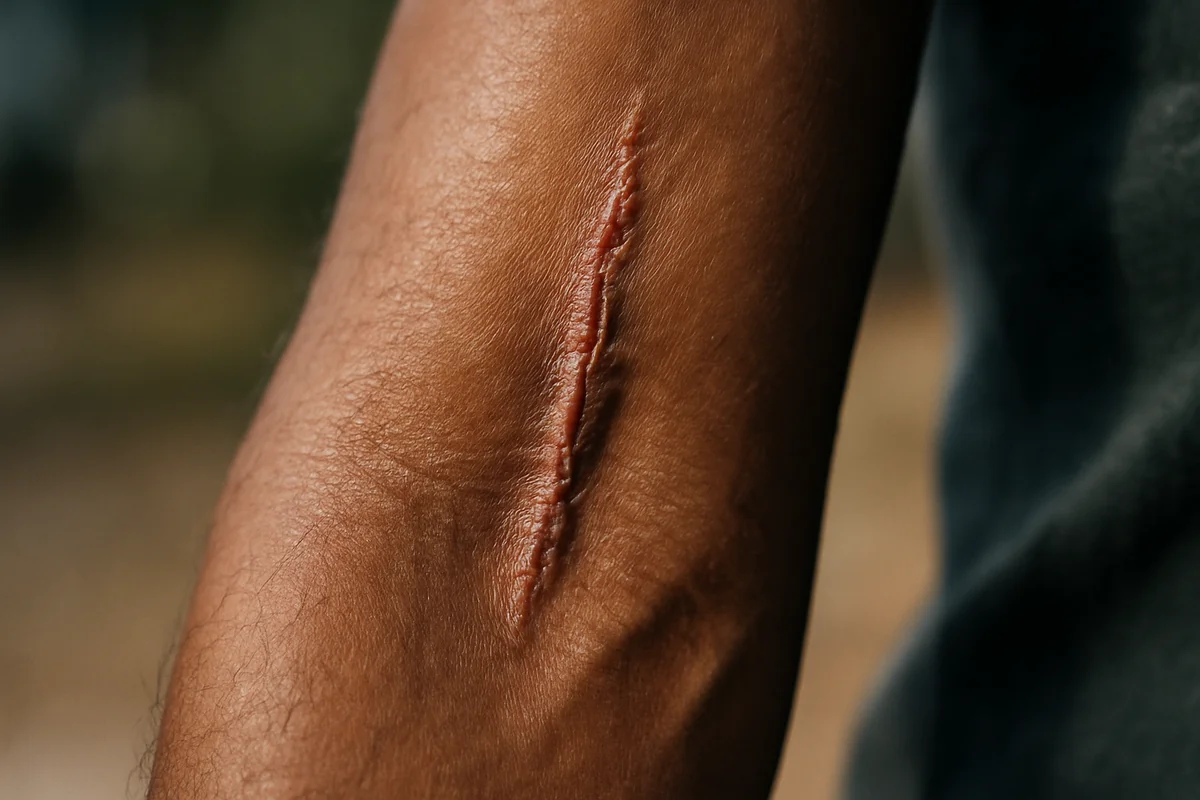
When it comes to understanding scars, it’s essential to recognize them as the body’s natural way of healing wounds. Whether the wound arises from intentional procedures like breast augmentation, tummy tuck, or facelift, or from accidental occurrences such as a car accident, burn, or even a minor papercut, the resulting scar acts as the body’s glue, holding the wound together. However, while you cannot completely eliminate scars, understanding the nuances of scar formation and treatment options is crucial.
Understanding why scars form
Scars form as part of the body’s healing process. When the dermis, the second layer of skin, is damaged, your body produces collagen fibers to repair the damage, resulting in a scar. The scar’s appearance and severity are influenced by several factors:
- Depth and size of the wound
- Age of the patient
- Genetic predispositions
- Ethnicity and skin type
- Location on the body
These factors determine not only how a scar will look but also how well it will heal over time. For instance, younger skin tends to heal more efficiently, potentially resulting in less noticeable scarring. Furthermore, the body’s response to wound healing can vary significantly based on the individual’s health and nutrition. A well-balanced diet rich in vitamins and minerals can support the skin’s natural healing processes, while chronic conditions such as diabetes may impair healing, leading to more pronounced scarring.
In addition to these factors, the care taken during and after the healing process can significantly impact scar formation. Proper wound care, such as keeping the area clean and moisturized, can prevent infection and promote optimal healing. Moreover, avoiding sun exposure can reduce the risk of hyperpigmentation, which can make scars more noticeable. Therefore, understanding and addressing these elements can play a crucial role in managing and minimizing the appearance of scars.
Types of scars and their characteristics
Hypertrophic scars
These scars are raised and red in appearance, often developing after burns or surgical procedures. They stay within the borders of the original wound but can be uncomfortable or itchy. Hypertrophic scars may improve over time, becoming less noticeable as they mature, which can take several months to years depending on the individual’s healing capacity and scar management practices.
To manage hypertrophic scars effectively, pressure therapy using specialized garments or silicone sheets can be employed, which helps flatten the scar and reduce redness. Additionally, regular massage of the scar tissue can promote better alignment of collagen fibers, improving the texture and appearance of the scar over time.
Keloid scars
Unlike hypertrophic scars, keloids extend beyond the original wound site. They are more common in individuals with darker skin tones and can continue to grow over time, sometimes requiring intervention for removal. Keloids can form at any age but are more prevalent in younger individuals, possibly due to more active skin repair mechanisms. Treatments such as corticosteroid injections or cryotherapy may help reduce their size and discomfort.
In some cases, radiation therapy may be considered following surgical removal of keloids to prevent recurrence. This approach, combined with other treatments, can offer a comprehensive strategy for managing keloid scars, particularly in cases where they cause significant discomfort or functional impairment.
Atrophic scars
These scars are sunken in appearance, commonly resulting from acne or chickenpox. They form when the underlying structures supporting the skin are lost. Atrophic scars can be particularly challenging to treat, often requiring a combination of therapies such as dermal fillers or laser treatments to stimulate collagen production and improve skin texture.
Emerging treatments like platelet-rich plasma (PRP) therapy are also gaining popularity for atrophic scars. PRP involves using the patient’s own blood components to stimulate healing and collagen production, providing a natural and effective option for improving the appearance of these scars.
Contracture scars
Typically resulting from burns, contracture scars tighten skin, potentially impairing movement if they occur over joints. These scars may require surgical intervention to release the tightened skin and restore mobility, followed by physical therapy to ensure proper healing and function.
Rehabilitation exercises and occupational therapy are often integral parts of the treatment plan for contracture scars, helping patients regain range of motion and strength in the affected areas. Early intervention and a multidisciplinary approach can significantly improve outcomes for individuals with these types of scars.
Effective methods to reduce scar appearance
While complete scar removal is challenging, several treatments can significantly reduce their appearance:
- Topical treatments: Creams and gels containing silicone or corticosteroids can help flatten and reduce the redness of scars. These treatments are most effective when applied consistently over several months, allowing the active ingredients to modulate collagen production and reduce inflammation.
- Laser therapy: This method resurfaces the skin, promoting new skin growth to replace scarred tissues. Different types of lasers, such as fractional CO2 or pulsed-dye lasers, can be used depending on the scar’s characteristics, offering tailored approaches to enhance skin appearance.
- Microneedling: By creating tiny wounds, microneedling stimulates collagen production, improving the texture and elasticity of scars. This minimally invasive procedure can be combined with topical treatments to enhance results and is suitable for various scar types, including acne and surgical scars.
- Surgical options: Scar revision surgery involves cutting out the scar tissue before stitching the skin together again in a neatly aligned fashion. This option is typically considered for large or problematic scars and can be combined with other treatments to optimize results.
Each method has its own set of benefits, and the choice often depends on the scar type and individual patient needs. Consulting with a skilled plastic surgeon can provide insight into procedures that best suit your condition. Additionally, advances in regenerative medicine, such as the use of stem cells or growth factors, are being explored to enhance scar treatment outcomes further.
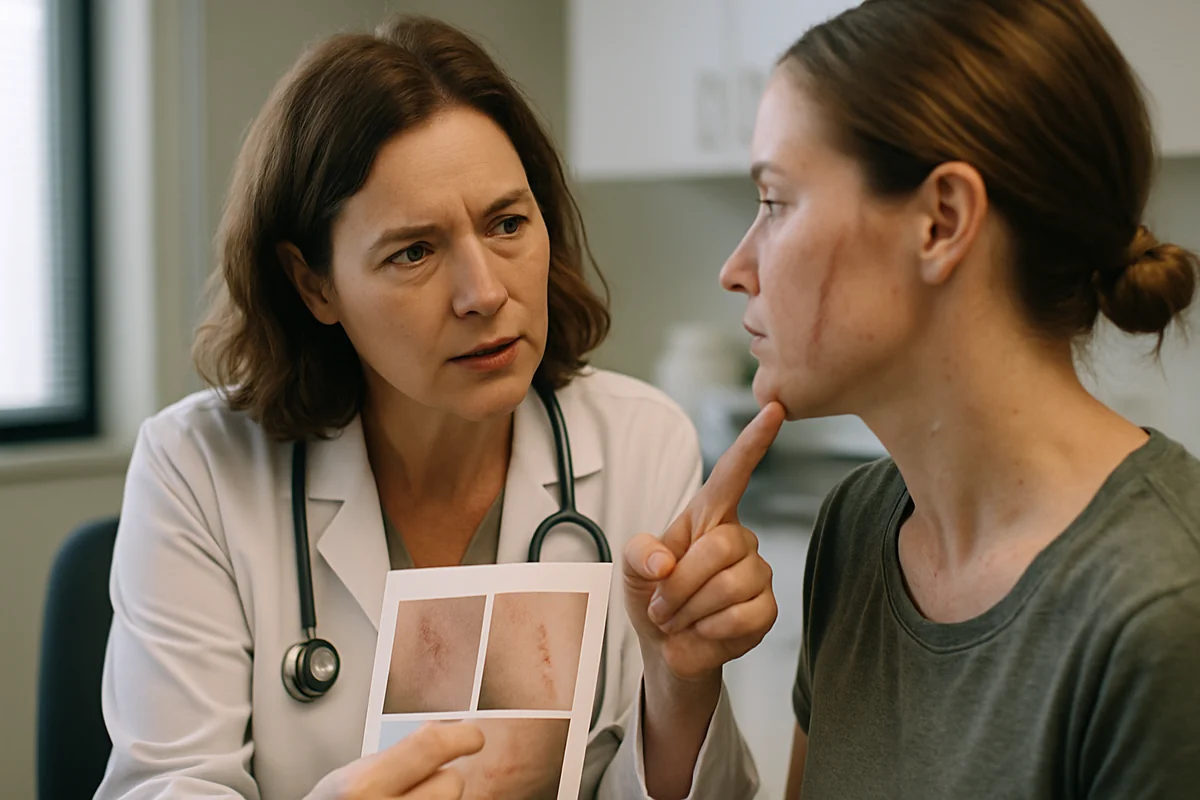
It is also important to consider the timing of treatment. Early intervention, particularly in the initial stages of scar formation, can significantly influence the effectiveness of treatments. For instance, starting silicone gel application shortly after wound closure can minimize hypertrophic scar development. Therefore, understanding the optimal timing and combining different modalities can lead to superior results in scar management.
The role of genetics and ethnicity in scarring
Genetics and ethnicity significantly impact how your body heals and forms scars. For instance, individuals of African, Hispanic, or Asian descent are more prone to develop keloid scars due to their genetic makeup. Conversely, those with lighter skin tones might experience more pronounced redness in scars. These genetic factors influence not only the likelihood of certain scar types but also the skin’s overall response to treatment, necessitating personalized approaches.
Understanding these genetic predispositions allows healthcare professionals to tailor treatments more effectively, optimizing results and minimizing the risk of adverse effects. Genetic testing and family history evaluations can offer insights into potential scarring tendencies, allowing for proactive management strategies.
Additionally, cultural considerations may play a role in treatment preferences and outcomes. For instance, some cultures may favor alternative or herbal remedies, which should be discussed openly with healthcare providers to ensure a comprehensive and culturally sensitive treatment plan.
Choosing the right treatment for your scar
The best treatment approach depends on the type of scar and individual patient factors such as age, skin type, and overall health. A comprehensive consultation with a board-certified plastic surgeon will help determine the most appropriate course of action. Options may include topical treatments, laser therapy, or surgical intervention, each offering distinct advantages based on the scar’s characteristics. Moreover, new developments in personalized medicine, such as customized skin care regimens and genetic profiling, are enhancing the ability to select the most effective treatments for each patient.
For those considering surgical options, understanding the potential discomfort and recovery process is crucial in setting realistic expectations for the healing journey. Postoperative care and follow-up consultations are integral to achieving desired outcomes and minimizing complications.
Furthermore, patient education plays a pivotal role in the treatment process. By understanding the nature of their scars and the rationale behind each therapeutic option, patients can actively participate in their care, leading to improved satisfaction and adherence to treatment protocols.
The importance of post-treatment care
After undergoing scar treatment, post-care is vital in ensuring optimal results. Following a surgeon’s advice on skin care routines, such as using sunscreen to prevent discoloration and applying prescribed ointments, can significantly enhance the healing process. Additionally, maintaining a healthy lifestyle with adequate hydration and nutrition supports skin regeneration. Regular follow-up appointments with your plastic surgeon enable monitoring of the scar’s progress and the adjustment of treatment protocols as needed.
Incorporating complementary therapies, such as massage or acupuncture, may also benefit the healing process by improving circulation and reducing stress, which can indirectly influence skin health. A holistic approach to post-treatment care can optimize outcomes and promote overall well-being.
A step towards smooth, clear skin
While scars can be a natural part of the healing process, modern medical advancements offer numerous ways to minimize their appearance. By understanding the science behind scar formation and exploring treatment options, you can take proactive steps towards achieving smoother, clearer skin. Embracing a holistic approach that combines medical treatment with lifestyle modifications can lead to more sustainable and satisfying results.
“Understanding the cause and suitable treatments for scars can empower individuals to make informed decisions about their skin health.” – Dr. Pedro M. Soler
To explore treatment options tailored to your unique needs, consider scheduling a consultation with a qualified plastic surgeon. For more information on body contouring and cosmetic procedures, visit our website.
Comparative Overview of Scar Treatments
| Treatment Type | Effectiveness | Best For | Potential Side Effects |
|---|---|---|---|
| Topical Treatments | Moderate | Hypertrophic, Keloid | Skin irritation |
| Laser Therapy | High | Atrophic, Hypertrophic | Redness, Swelling |
| Microneedling | High | Atrophic, Acne Scars | Minimal bleeding, Redness |
| Surgical Options | Varies | Severe Scars | Infection, Scarring |
For further detailed insights, you can refer to reliable sources such as the National Center for Biotechnology Information which provides extensive research on scar formation and treatment strategies.
For more information on specific procedures, you can explore our related articles:
- Achieve Facial Symmetry with Rhinoplasty in Tampa
- All of Your Brazilian Butt Lift Questions Answered
- Breast Augmentation: Use Implants to Enhance Your Bust
- Can a Woman Breastfeed After a Breast Augmentation?