
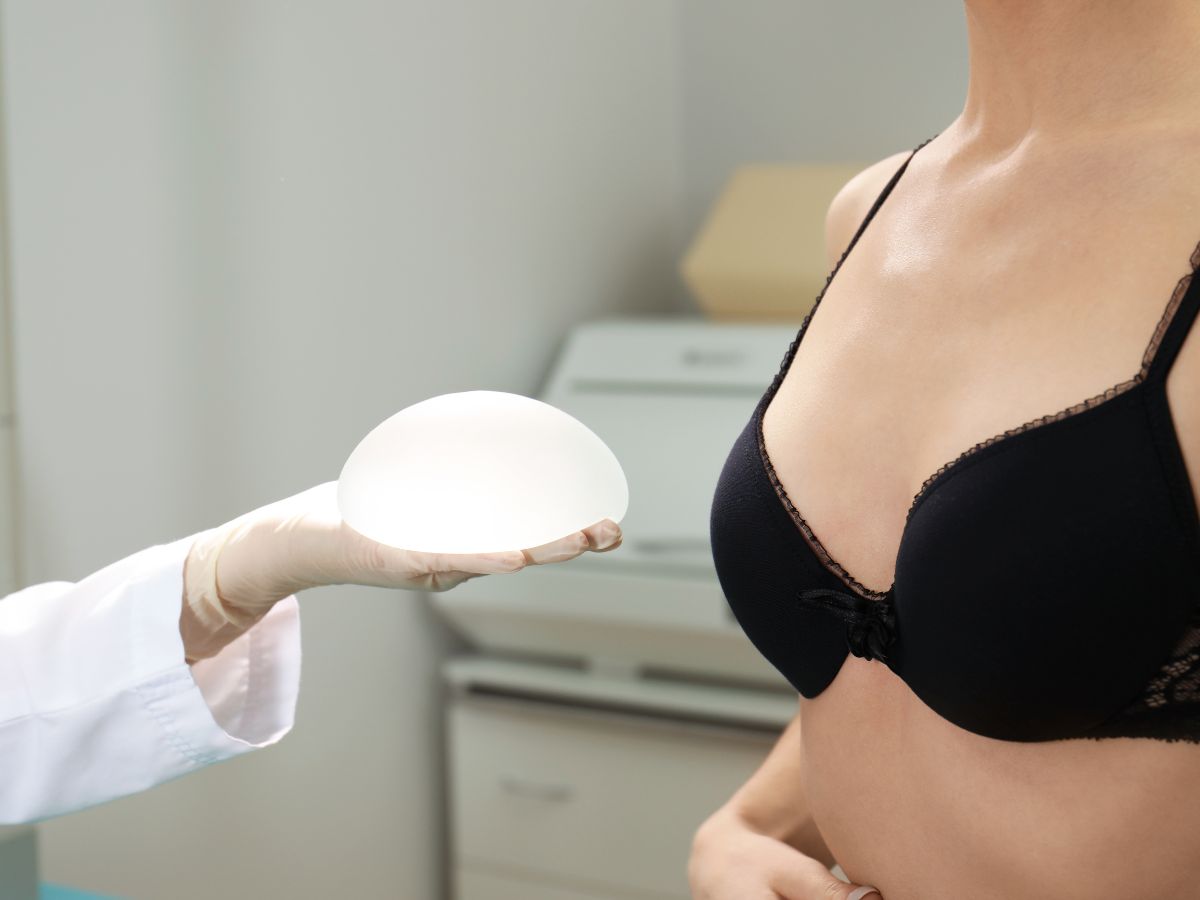
If you have breast implants — or you’re considering breast augmentation — you’ve probably come across the term “breast implant illness” (BII) online. Patient forums are full of stories about fatigue, joint pain, and brain fog that some women link to their implants. It’s an unsettling thing to read, especially if you’re happy with your results and now wondering if something is wrong.
So how common is breast implant illness, actually? Here’s what the data says, what it doesn’t say, and how to know when it’s time to talk to a breast surgeon.
What Is Breast Implant Illness (BII)?
BII isn’t an official medical diagnosis. It’s a term patients and some physicians use to describe a cluster of symptoms that appear to develop after breast implant surgery, regardless of whether the implants are silicone or saline. The U.S. Food and Drug Administration (FDA) has acknowledged that some patients report these symptoms, even though the agency has not established a confirmed causal link between implants and the condition.
Commonly reported symptoms include:
- Fatigue
- Joint and muscle pain
- Brain fog or memory issues
- Hair loss
- Anxiety or depression
- Rashes or skin changes
- Sleep disturbances
Symptoms can show up shortly after surgery or years down the road, which is part of what makes BII so difficult to study.
What Causes Breast Implant Illness?
Breast implant illness is a condition that has been growing in awareness but remains controversial as doctors do not officially recognize it as a medical illness. This lack of recognition makes it difficult to determine what could cause it. No evidence suggests that certain medical conditions make someone more susceptible to BII.
However, several theories exist, such as the body’s inflammatory response to a foreign object or certain components of breast implants, like silicone. Additionally, there is speculation that surgical techniques and the approach to breast implant insertion may cause BII. Despite the uncertainty, BII’s impact on health is undeniable for those who suffer from it.
How Common Is Breast Implant Illness?
This is the question everyone wants a clean number for — and the honest answer is that no one has one yet. BII isn’t a formally diagnosed condition, so there’s no standardized way to track how many people have it. That said, a few data points give us a reasonable picture:
- Peer-reviewed estimates suggest that somewhere between 1% and 10% of women with breast implants report symptoms consistent with BII, though researchers note more study is needed to pin this down.
- The FDA’s Medical Device Report (MDR) database has logged tens of thousands of reports describing systemic symptoms in women with breast implants since 2008 — but MDRs are self-reported and don’t confirm the implant caused the symptom.
- In the FDA’s most recent breakdown of these reports, the most frequently cited symptoms were fatigue, joint pain, anxiety, and brain fog, with average symptom onset occurring several years after implantation.
- Among patients who went on to have their implants removed and reported back on their outcome, the large majority described improvement in symptoms — though this group is a small, self-selected slice of all implant patients, so it can’t be read as a general cure rate.
The takeaway: BII is real enough that the FDA tracks it and surgeons take it seriously, but it’s not clearly “common” or “rare” in a scientific sense — the honest answer is that we don’t yet have reliable population-wide numbers. What we do know is that most women with breast implants never report these symptoms at all.
What Are Some Treatment Options for Breast Implant Illness?
If you’re experiencing symptoms of breast implant illness, exploring potential treatments to alleviate your condition is essential. Seeking consultation with our medical team is vital for an accurate diagnosis and personalized guidance. The choice of treatment approaches can vary significantly, taking into account individual symptoms and overall health factors. These approaches may include dietary adjustments, supplements, detoxification regimens, and prescription medications.
Breast Implant Removal
The primary treatment method for BII is breast implant removal, a surgical procedure known as explantation. This procedure involves the complete removal of the breast implants along with any surrounding scar tissue. Explantation addresses BII-related symptoms, such as fatigue, joint pain, and cognitive issues. Additionally, it aims to reduce inflammation, ultimately enhancing overall health and well-being. Patients undergoing this procedure are placed under general anesthesia for their comfort and safety.
Post-surgery, it’s typical to have closed incisions sealed with stitches, surgical adhesives, or medical tape. A dressing is applied over the surgical area to promote healing and prevent infections. In some cases, drains may be inserted to remove excess bodily fluids. While it’s common to experience discomfort and swelling following surgery, prescribed medications can help manage these symptoms. Adhering to postoperative care instructions is essential for a smooth recovery, encompassing guidelines for physical activities, wound care, and the correct administration of medications.
As part of our commitment to your well-being, we provide follow-up appointments to monitor your progress and ensure proper healing. Depending on your unique circumstances, additional procedures, such as breast lifts or fat transfers, may be recommended to achieve full breast reconstruction while minimizing aesthetic impact. Your individualized treatment plan will be tailored to your specific needs and health goals.
Does It Matter If You Have Silicone or Saline Implants?
Patients often ask whether one implant type is safer than the other when it comes to BII risk. We cover this in detail in our breakdown of silicone vs. saline implants and BII risk — but the short version is that reported symptoms have occurred with both implant types, and current research hasn’t confirmed that one material carries a significantly higher risk than the other.
Who Tends to Report BII Symptoms?
There isn’t a confirmed risk profile, but patterns some researchers have observed include:
- Symptom onset ranging from months to decades after surgery
- Reports across both textured and smooth implant surfaces
- Overlap with symptoms of other conditions, like autoimmune disorders, thyroid issues, fibromyalgia, and even normal hormonal changes — which is part of why BII can be hard to pin down as the cause
This overlap is exactly why it’s worth having any new, persistent symptoms evaluated properly rather than assuming they’re implant-related (or assuming they’re not).
What to Do If You Think You Have Breast Implant Implant Illness
If you have implants and you’re dealing with unexplained, persistent symptoms, the right first step is a real evaluation — not a guess based on a forum post. At Soler Cosmetic Plastic Surgery, that starts with a full history and physical exam to rule out other causes before any conversation about your implants.
For patients who do move forward with removal, options include standard implant removal or en bloc capsulectomy, where the implant and surrounding scar tissue are removed together. You can read more about what to expect during and after implant removal, and about why the healing process doesn’t end the day your implants come out.
Why See a Board-Certified Breast Surgeon Before Making a Decision
BII is a nuanced topic, and not every provider approaches it the same way. Searching “breast implant near me” will turn up a long list of results — what matters is finding a surgeon who will actually listen to your symptoms, rule out other causes, and walk you through every option rather than pushing you straight to surgery.
Dr. Soler and the team at our Tampa practice have handled hundreds of breast augmentation, revision, and explant cases, and we take patient-reported symptoms seriously even in the absence of a formal diagnosis. If you’re local to the Tampa Bay area and searching for plastic surgery in Tampa with a surgeon who won’t dismiss your concerns, see what our patients say about their experience with us.
If you believe that breast implant illness may be affecting you, we encourage you to contact us at 727-606-2285 or fill out our online form to schedule a consultation and explore your options for treatment.