

If you are asking “Is male rhinoplasty surgery right for me?”, you are probably not looking for a dramatic new face. You are looking for a nose that fits you better, photographs more naturally, supports your breathing, and still looks masculine. The most useful answer begins with facial balance, not with a one-size-fits-all nose. In Tampa, patients who want thoughtful nasal refinement often start by exploring facial surgery options in Tampa with a surgeon who understands how small structural changes can affect the entire face.
Male rhinoplasty is different from simply “making the nose smaller.” For many men, the ideal outcome preserves strength in the bridge, avoids an over-rotated tip, keeps the profile natural, and improves function when nasal obstruction is part of the concern. A good result should not announce itself. It should make people notice that you look more rested, more balanced, or more confident, without immediately assuming you had surgery.
The right male rhinoplasty does not feminize the face. It refines proportion, improves function when needed, and protects the features that make the face look distinctly yours.
How to know if male rhinoplasty surgery is right for me
The most reliable sign that male rhinoplasty may be right for you is a consistent concern that does not change with lighting, grooming, facial hair, weight changes, or camera angles. Many men first notice the issue in photos: a dorsal hump from the side, a bulbous tip from the front, a crooked bridge after trauma, or a nose that appears too wide for the rest of the face. If the concern is specific and stable, it is easier to plan surgery in a precise way.
You may be a strong candidate if your facial growth is complete, you are in good overall health, and you can describe what bothers you without demanding perfection. Realistic expectations are one of the most important predictors of satisfaction. Rhinoplasty can improve proportion, symmetry, airflow, and self-image, but it cannot create a completely different identity or guarantee that every angle will be flawless.
Men who have had sports injuries, prior nasal fractures, chronic congestion, or a deviated septum may also be candidates for functional improvement. Cosmetic and functional goals often overlap. For example, straightening a crooked nose may improve appearance and airflow at the same time. Reducing a hump may also require rebuilding structural support so the nose remains strong and natural.
Timing matters too. If you smoke, vape nicotine, use recreational drugs, or cannot pause heavy workouts during recovery, surgery may need to wait. If you have uncontrolled medical conditions, bleeding disorders, or active skin infections, those concerns should be addressed first. The question is not only whether rhinoplasty can improve your nose, but whether your body and lifestyle are ready for a safe recovery.
Male rhinoplasty goals and candidacy
Male nasal aesthetics are guided by proportion, projection, definition, and restraint. A nose that looks excellent on one man may look out of place on another because the chin, brow, cheekbones, skin thickness, and facial width all influence the ideal plan. In men, surgeons often avoid excessive narrowing, excessive tip rotation, or a scooped bridge because those changes can look unnatural or less traditionally masculine.
Common cosmetic goals include smoothing a hump, narrowing a wide bridge, refining a thick or rounded tip, improving nostril shape, correcting asymmetry, and straightening the nose after injury. Some men also want a stronger profile because the nose looks under-projected or flat from the side. In that situation, augmentation rather than reduction may be appropriate, especially when ethnic features or prior trauma are involved.
Functional goals are equally important. If you breathe better through one nostril than the other, wake with dry mouth, struggle during workouts, or depend heavily on nasal strips, rhinoplasty planning should include the internal airway. Septoplasty, turbinate reduction, spreader grafts, or valve support may be discussed when structure contributes to obstruction.
Aesthetic rhinoplasty for men
Aesthetic male rhinoplasty focuses on the outside appearance of the nose. The plan may address the bridge, tip, nostrils, nasal bones, or overall projection. The key is to improve harmony without erasing character. A strong bridge can remain strong while a hump is softened. A broad tip can be refined without becoming pinched. A crooked nose can be straightened while still looking like it belongs on a male face.
Men considering facial refinement often compare rhinoplasty with other decisions about proportion and identity. For example, the same principle of personalized surgical planning appears in The Different Types of Facelift Procedures: Which One Is Right for You?, where the best procedure depends on anatomy, goals, and the type of change that will look natural.
Functional rhinoplasty for breathing
Functional rhinoplasty treats structure that interferes with airflow. A deviated septum, collapsed nasal valves, enlarged turbinates, or old fracture patterns can make breathing feel restricted. Some men notice the issue during exercise, while others notice it at night or during allergy season. The surgical plan may need to strengthen weak cartilage, straighten internal structures, or open narrow passages.
It is worth distinguishing congestion from obstruction. Allergies and inflammation can cause congestion even when the nasal framework is sound. Structural obstruction, however, often feels consistent and may not respond well to sprays or medication. A careful exam helps determine whether surgery is likely to improve breathing or whether medical management should be optimized first.
Who is a good candidate?
A good candidate is not simply someone who dislikes his nose. The best candidates have a defined concern, healthy motivations, and a willingness to follow preoperative and postoperative instructions. They also understand that rhinoplasty is measured in millimeters. Small changes can be powerful, but swelling can temporarily hide definition and final results take time.
You may be well suited for male rhinoplasty if you identify with several of the following:
- Your nose appears out of proportion with your forehead, cheeks, lips, or chin.
- You have a visible hump, crooked bridge, wide nasal bones, or poorly defined tip.
- You have breathing concerns related to a deviated septum, nasal valve weakness, or old injury.
- Your expectations are improvement and balance, not perfection.
- You can stop nicotine before and after surgery as instructed.
- You can take time away from intense exercise, contact sports, and work demands during early healing.
- You are choosing surgery for yourself, not because a partner, friend, or social media trend pressured you.
Men with thicker nasal skin should understand that tip definition may be more subtle than in patients with thin skin. Thick skin can conceal cartilage sculpting, so the plan may focus on stronger structural support rather than aggressive reduction. Men with very thin skin face the opposite issue: tiny irregularities may be more visible, so grafting and smoothing require special precision.
Age is another consideration. Younger men should have completed facial growth, usually by the late teen years, before surgery is considered. Older men may still be excellent candidates, but skin elasticity, prior trauma, medications, and healing capacity become more relevant. The best approach is individualized, just as body procedures require tailored decision-making in resources like Tummy Tuck vs. Liposuction: Which One Is Right for You?.
Male rhinoplasty procedure options and how they differ
There is no single male rhinoplasty procedure. The right technique depends on your anatomy, your goals, and whether the procedure is cosmetic, functional, or both. During consultation, the surgeon evaluates the thickness of the skin, cartilage strength, nasal bone position, septal alignment, tip support, nostril shape, and airway function.
| Option | Best suited for | Typical strengths | Key tradeoffs |
|---|---|---|---|
| Open rhinoplasty | Complex reshaping, revision cases, major tip work, crooked noses | Excellent visibility and control for structural changes | Small incision under the nose and often more early swelling |
| Closed rhinoplasty | Selected bridge work, minor refinements, appropriate anatomy | No external incision and potentially less early swelling | Less direct visibility for complex structural correction |
| Reduction rhinoplasty | Hump reduction, over-projection, wide bridge, large nasal profile | Improves proportion and facial balance | Requires careful support to avoid collapse or over-reduction |
| Non-surgical rhinoplasty | Small contour irregularities, temporary bridge smoothing | No surgery, little downtime, reversible in some cases | Cannot reduce size, improve breathing, or permanently correct structure |
Open and closed rhinoplasty for men
Open rhinoplasty uses a small incision across the columella, the tissue between the nostrils, combined with internal incisions. This allows the surgeon to lift the nasal skin and directly see the framework. It is often chosen when the tip needs precise shaping, when the nose is crooked, when grafts are needed, or when prior surgery or trauma has distorted anatomy.
Closed rhinoplasty places incisions inside the nostrils. It can be a strong option for selected men who need less extensive changes, especially along the bridge. The advantage is no visible external incision, but it may not provide enough access for complex tip work or major structural correction. The choice should be based on surgical needs, not on marketing claims that one method is universally better.
Reduction and non-surgical rhinoplasty for men
Reduction rhinoplasty decreases excessive size or projection. It may involve lowering a hump, narrowing nasal bones, adjusting tip projection, or refining wide nostrils. In male patients, reduction must be conservative enough to maintain strength. Over-reduction can create a scooped bridge, pinched tip, or weak airway, all of which can make the result look operated on.
Non-surgical rhinoplasty uses injectable filler to camouflage small contour issues. It can sometimes make a profile look straighter by filling above or below a hump, but it does not make the nose smaller. It is temporary and has unique vascular risks because the nose has delicate blood supply. Men comparing surgical and injectable options may recognize a similar decision process in Are Lip Injections Right for Me?, where candidacy depends on anatomy, goals, and tolerance for maintenance.
What happens during a male rhinoplasty consultation, procedure, and planning
The consultation should feel like a planning session, not a sales appointment. You should expect a detailed conversation about your concerns, medical history, breathing, allergies, prior nasal trauma, medications, supplements, nicotine use, and previous procedures. Photos are typically taken from multiple angles because rhinoplasty decisions are visual and structural.
Imaging may be used to discuss possible changes, but it should not be treated as a guarantee. Computer simulation is a communication tool. It helps align expectations and allows you to say, “That looks too narrow,” or “I want to keep more strength in the bridge.” The best consultation clarifies what should change and what should not change.
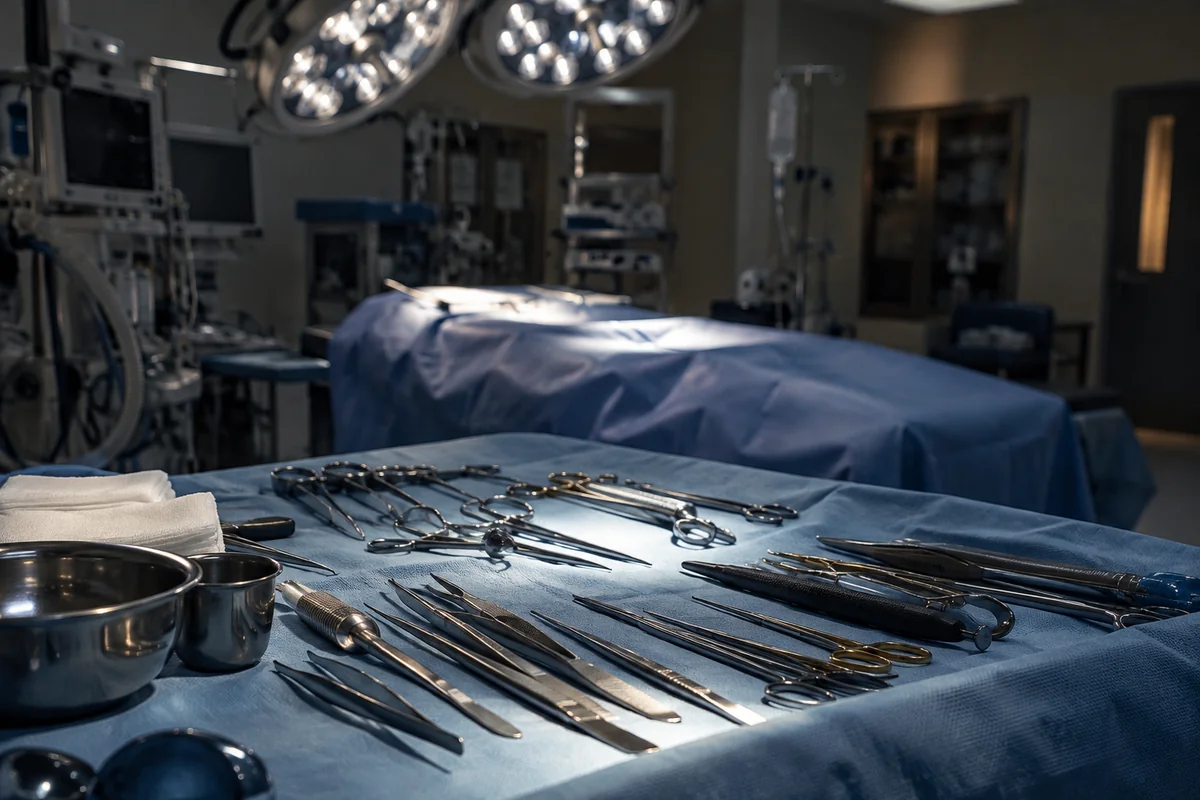
The surgical procedure is usually performed with anesthesia in an accredited setting. Depending on the plan, the surgeon may reshape cartilage, adjust bone, straighten the septum, place grafts, refine the tip, narrow the nostrils, or improve nasal valve support. The operation may take several hours because precision matters more than speed.
- Preoperative markings and final review of the surgical plan are completed.
- Anesthesia is administered for comfort and safety.
- Incisions are made using an open or closed approach.
- The nasal framework is reshaped, supported, reduced, or augmented as needed.
- Functional corrections such as septal straightening may be performed when indicated.
- Incisions are closed, and a splint or dressing is applied to protect the new shape.
This is also the point where surgeon selection becomes critical. Board certification, experience with male facial anatomy, hospital privileges, before-and-after examples, and a conservative aesthetic philosophy all matter. The principles in Top 5 Qualities to Look for in a Plastic Surgeon in Tampa apply strongly to rhinoplasty, especially because revision nasal surgery is more complex than doing it correctly the first time.
According to the American Society of Plastic Surgeons, patients should look for surgeons with appropriate training and credentials when considering cosmetic procedures. For male rhinoplasty, credentials are only the starting point. You also want a surgeon who can explain the airway, aesthetics, limitations, and recovery clearly.
Preoperative planning for men considering rhinoplasty
Preoperative planning protects both the result and the recovery. Men sometimes underestimate this part because they focus on the day of surgery, but the weeks before surgery can strongly affect healing. Nicotine is one of the biggest concerns because it reduces blood flow and increases risks related to skin healing. You may be asked to stop smoking, vaping, nicotine gum, and nicotine patches before and after surgery.
Medication and supplement review is also important. Aspirin, certain anti-inflammatory medications, herbal supplements, and products that increase bleeding risk may need to be paused if your surgeon and medical team approve. You should never stop prescribed medication without medical guidance, but you should be transparent about everything you take.
Lifestyle adjustments are practical. Arrange transportation, prepare soft foods, set up a comfortable recovery area, and plan time away from gym sessions, heavy lifting, and high-pressure work obligations. If your job involves client meetings or being on camera, consider swelling and bruising when scheduling. Most men can work remotely sooner than they are ready for a public-facing return.
A consultation at Pedro M. Soler, M.D. should help connect your goals with a plan that respects facial identity, safety, and long-term structure. If you are ready to understand whether male rhinoplasty fits your anatomy and your life, scheduling a personal evaluation is the most direct next step.
What recovery is like after male rhinoplasty surgery
Recovery is not usually described as extremely painful, but it does require patience. Congestion, pressure, swelling, bruising, and difficulty sleeping normally are common early experiences. A nasal splint may be placed after surgery, and internal splints or packing may be used in selected cases. You will receive instructions about head elevation, cold compresses if appropriate, incision care, medications, and activity restrictions.
The first week is the most visible phase. Bruising around the eyes may appear, especially if nasal bones were adjusted. Swelling can make the nose look larger than expected, which is normal. Many men feel comfortable returning to non-strenuous work after about one to two weeks, depending on the extent of surgery and whether their job is public-facing.
Exercise usually returns gradually. Walking is encouraged early, but heavy lifting, intense cardio, bending, and contact sports are restricted for longer. Glasses may need special handling so they do not put pressure on the healing bridge. Sun exposure should be minimized because swelling and skin changes can worsen with heat and UV exposure.
| Recovery period | What many men notice | Typical priorities |
|---|---|---|
| Days 1 to 3 | Congestion, pressure, drainage, swelling, fatigue | Rest, head elevation, medication schedule, avoiding strain |
| Week 1 | Bruising may peak, splint remains, public downtime continues | Protect the nose, attend follow-up, avoid bending and heavy activity |
| Weeks 2 to 4 | Bruising improves, swelling persists, breathing may fluctuate | Return to light routines, avoid impact, follow exercise guidance |
| Months 3 to 6 | Bridge definition improves, tip swelling gradually decreases | Evaluate progress patiently, continue sun protection |
| Up to 12 months or longer | Final tip refinement appears, especially with thicker skin | Allow full maturation before judging the final result |
Immediate post-surgery protocol often includes avoiding nose blowing, sneezing with the mouth open, sleeping on the back with the head elevated, and keeping follow-up appointments. These details help reduce bleeding, swelling, and accidental trauma. Recovery lessons from other procedures, such as those discussed in Recovering from a Breast Lift: What to Expect and How to Prepare, reinforce a universal truth: patients who prepare well usually feel more in control during healing.
Risks and male-specific concerns to understand before surgery
Every surgery has risks, and rhinoplasty is no exception. General risks include bleeding, infection, anesthesia complications, scarring, poor wound healing, numbness, asymmetry, persistent swelling, and dissatisfaction with the cosmetic result. Nasal-specific risks include breathing changes, septal perforation, visible irregularities, skin problems, cartilage shifting, and the need for revision surgery.
Male-specific concerns often relate to skin thickness, stronger cartilage, prior trauma, and aesthetic expectations. Men with thick sebaceous skin may heal with prolonged tip swelling and less sharp definition. Men with a history of boxing, football, martial arts, or other contact sports may have complex internal deviations that require more structural work. Men seeking a very small nose may be at higher risk of an unnatural result if the plan ignores facial proportions.
Revision rhinoplasty is more difficult than primary rhinoplasty because scar tissue, altered cartilage, and limited graft material can complicate the plan. That does not mean primary rhinoplasty must be conservative to the point of under-correction, but it should be structurally sound. A nose that looks good for six months but weakens over time is not a successful result.
There are also emotional risks. The face is deeply tied to identity, and even positive changes can take time to accept. Some men feel excited after the splint comes off, while others focus on swelling or asymmetry that will improve over months. A responsible surgeon prepares you for that psychological timeline and screens for unrealistic expectations.
Injectable alternatives carry risks too. Filler in the nose is not a casual treatment. Vascular compromise, skin injury, and visual complications are rare but serious possibilities when injections are placed in high-risk anatomy. This is why non-surgical rhinoplasty should be performed only by qualified injectors who understand nasal vascular anatomy and emergency protocols.
Choosing the right surgeon and making your final decision
The surgeon you choose affects the plan, the safety profile, the recovery guidance, and the quality of your result. Male rhinoplasty requires technical skill and aesthetic restraint. You want someone who can preserve masculine features, improve function when appropriate, and explain tradeoffs clearly. A surgeon who only talks about making the nose “smaller” may not be thinking deeply enough about support, projection, and long-term airway stability.
During consultation, ask direct questions. How often does the surgeon perform rhinoplasty? What percentage of patients are men? How are breathing concerns evaluated? When is open rhinoplasty preferred? What are the limits of change with thick skin? How are complications managed? What does the revision policy look like? Strong answers should be specific, balanced, and honest.
Before-and-after photos are useful, but evaluate them carefully. Look for men with anatomy similar to yours: similar skin thickness, bridge height, tip shape, ethnicity, and degree of asymmetry. A great result on a very different face may not predict your outcome. Also look for consistency. One impressive transformation matters less than a pattern of natural, balanced results.
The importance of matching surgeon experience to patient goals is not unique to rhinoplasty. The same principle is emphasized in Choosing the Right Surgeon for Breast Augmentation: Tips and Considerations, where credentials, communication, and individualized planning shape the entire experience. For men, this individualized approach is especially important because the best rhinoplasty often involves preserving character rather than removing it.
A good surgeon should also know when not to operate. If your expectations are not achievable, if a medical issue makes surgery unsafe, or if non-surgical care is more appropriate, the most ethical recommendation may be to wait or choose a different path. Being told “not yet” can be a sign of careful judgment, not a lack of interest.
Male rhinoplasty may be right for you if your concern is specific, your expectations are realistic, your health supports surgery, and you want a result that improves balance without changing who you are. It may also be right if nasal structure affects your breathing and a functional correction can be incorporated into the aesthetic plan. The ideal outcome is not a trendy nose. It is a nose that looks natural on your face and functions well in daily life.
It may not be the right time if you are seeking perfection, responding to temporary insecurity, unwilling to pause nicotine, unable to follow recovery restrictions, or hoping surgery will solve a broader confidence issue by itself. Rhinoplasty can be powerful, but it is still a medical procedure with limits, risks, and a gradual healing timeline.
Before making the decision, write down your top three concerns. Separate appearance from breathing. Note when the issue bothers you most: photos, profile view, workouts, sleep, or social situations. Bring that list to your consultation. Clear communication helps the surgeon distinguish between what you notice, what can be changed, and what should be preserved.
The strongest answer to “Is male rhinoplasty surgery right for me?” comes from an exam, a conversation, and a plan built around your anatomy. If you want a natural, masculine, and medically thoughtful approach, Dr. Pedro M. Soler can evaluate your goals through Tampa facial plastic surgery care that prioritizes proportion, function, and long-term confidence.